
History · 5 min read
Seiko Calculator Watches
Seiko did make calculator watches, and the "did" is the important word. Where Casio's calculator line grew into a long-running product family that is still in shops, Seiko's…
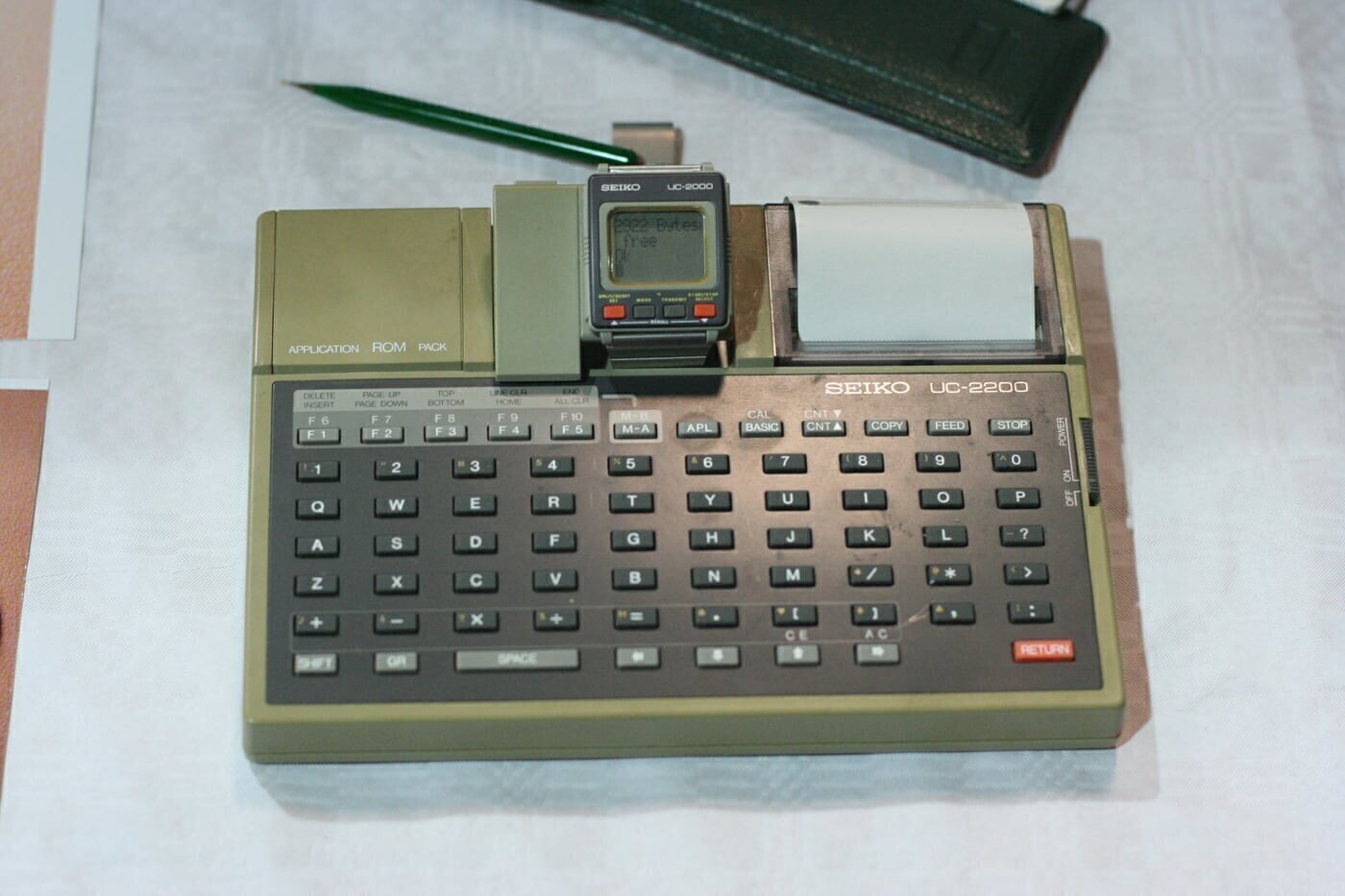
Seiko did make calculator watches, and the "did" is the important word. Where Casio's calculator line grew into a long-running product family that is still in shops, Seiko's was a late-1970s and early-1980s episode. Three calibres are established: C153, C359 and C515. Each is a collector item, none is in current production, and the documentation available for all three is thinner than for any Casio reference.
That thinness shapes this page. Where specifications are established, they are here. Where they are not, the page says so rather than importing numbers from marketplace listings, which is how most of the misinformation about these watches circulates.
How Seiko reference numbers work
Before the models, the naming convention, because it confuses people when they search for a model and find four references that look different:
A vintage Seiko reference is calibre – case code. The first part identifies the movement or module; the second identifies the case and bracelet. So C153-5007 and C153-5009 are the same calculator hardware in two different cases. Search for "Seiko C153" and you will find both listed as separate watches; they are two versions of one calibre.
The three calculator calibres
The C153: Seiko's first calculator watch
The C153 is consistently identified as Seiko's first calculator calibre, and it is the model that comes up when people ask whether Seiko made a calculator watch at all. What is established: an eight-digit calculator with memory, percentage and square-root functions; a light; a stainless steel case on the examples most often photographed; and a stylus for the keys.
That stylus is the detail that matters. The keys on these watches are too small to operate reliably with a finger, so Seiko supplied a pin for the job. It is frequently missing from second-hand examples, which is a practical consideration if you are buying one: check for it, and expect to pay more for a complete set.
The C153 is the best documented of the three because it has the largest collector following. Even so, its debut year is disputed — sources place it in 1977, 1978 and 1979, and we have not found anything from Seiko that settles the question. It has been described as 1977 in retrospective press coverage and as 1979 in trade listings of the time. We give the range and the disagreement.
The C359: the stylus calculator with an alarm
The C359 appears in collector and trade sources as a stylus-operated calculator with an alarm, dated to the late 1970s. Beyond that, the record is thin. We have not been able to confirm whether it carries a full numeric keypad in the CA-53W sense or a reduced set of calculator keys, and descriptions in circulation are inconsistent on the point.
For that reason this page does not claim a keypad layout for the C359. If you are looking at one and need to know what it can do, the watch itself or a clear photograph of the face is a better source than any page online — including this one.
The C515: the one that came back
The C515 is an early-1980s eight-digit calculator with memory, part of Seiko's broader digital line of the period. It spent thirty years as a quiet collector's watch and then acquired a much larger audience after being worn publicly by a musician at a major sporting event, which is a fairly typical trajectory for calculator watches: the technology stops mattering and the object becomes a reference point.
What that means practically is that C515 prices and availability are affected by demand that has nothing to do with the watch's capabilities. That is worth knowing if you are buying, and it is the clearest possible illustration of the point in our valuation guide — demand moves value, and demand is not rarity.
Not a Seiko calculator watch: the 6138-7000
Search for a Seiko calculator watch and the 6138-7000 "Calculator" will appear, usually with a photograph of a handsome chronograph. It is a slide-rule chronograph. The word "calculator" refers to the circular slide rule printed on the dial and operated with the bezel, which does arithmetic the way a flight computer does: by aligning scales. There is no keypad, no digital display and no calculator module.
It is a legitimate and collectible watch. It is not a calculator watch in the sense this site uses the term, and we have excluded it rather than pad a short list. The same distinction applies to any watch described as a "calculator" that turns out to have a logarithmic bezel.
What is not verified
For all three calibres, the following are not established and are therefore absent from this page rather than estimated:
- Case dimensions and weight. Seiko does not publish historical specifications for these calibres, and the listings that quote figures disagree with one another.
- Battery type and service life.
- Water resistance.
- Production quantities or end-of-production dates.
We treat marketplace listings as evidence that a catalogue number exists and as a source for photographs — not as a source for specifications. That rule is set out in our editorial policy, and it is the reason several cells in the table above read "not verified" instead of carrying a plausible number.
Pulsar, and Seiko's other brands
Seiko owned Pulsar, and Pulsar made calculator watches of its own — the Y735-5009 is the reference most often cited. These are separate-brand products built on Seiko group engineering, so if you are researching a Pulsar calculator watch, look for a Pulsar reference rather than a Seiko calibre. They are related by ownership, not the same watch.
Buying a vintage Seiko calculator watch
Three checks, in this order. First, the stylus: if the model needs one and it is missing, that is a real deduction. Second, the display: vintage LCDs suffer from leaked segments and fading, and a patchy display on a 45-year-old module is often terminal because replacement parts do not exist. Third, the case code: confirm which case variant you are looking at, because two references of the same calibre can differ substantially in condition-driven value.
For the broader context, our vintage calculator watch guide covers what to look for across brands, and the history of the format explains where Seiko's effort sat relative to Casio's, HP's and Pulsar's.
| Calibre | Example references | Era | What it is | How well documented |
|---|---|---|---|---|
| C153 | C153-5007 · C153-5009 · C153-5011 | 1977–1979 (sources disagree) | Seiko’s first calculator calibre. Eight-digit calculator with memory, percentage and square root; stylus for the keys; a light. | Well documented. Dimensions, weight and battery are not published by Seiko today and are marked unavailable below. |
| C359 | C359-5000 · C359-5009 | c. 1978–1979 | Stylus-operated calculator with an alarm. Described in trade and collector sources as a calculator model; the keypad layout is not consistently recorded. | Thin. Treat any specific feature list you see online — including ours — as provisional. |
| C515 | C515-5000 · C515-5009 | Early 1980s | Eight-digit calculator with memory, part of Seiko’s broader early-1980s digital line. Gained a second life as a pop-culture object after being worn publicly at a major sporting event. | Moderate. Calibre and function set are documented; case dimensions are not. |
Not on this list: Seiko 6138-7000 “Calculator” is a slide-rule chronograph — a circular rule printed on the dial, not a keypad. It is a different category of object, and we have left it out rather than pad the list. If you are comparing Seiko digitals generally, our vintage calculator watch guide covers the wider field.
Frequently asked questions
Did Seiko make calculator watches?
Yes. Seiko produced several calculator calibres: C153, C359 and C515 are the ones we have been able to verify. They predate or overlap with Casio's calculator line and are now collector items rather than current products.
What was Seiko's first calculator watch?
The C153 calibre is consistently identified as Seiko's first calculator watch. Its exact debut year is disputed: sources place it in 1977, 1978 or 1979, and we have not found a Seiko document that settles it. We describe it as 1977–1979 rather than picking a year.
Is the Seiko 6138-7000 a calculator watch?
No. The 6138-7000 “Calculator” is a slide-rule chronograph: it has a circular slide rule printed on the dial that can be used for multiplication and division with the bezel. There is no keypad and no digital display. It is a calculator in the analogue sense, and a very different object from the C153.
Why are there no dimensions or specifications listed for these Seiko models?
Because we could not verify them. Seiko does not publish historical specifications for these calibres today, and collector listings that quote dimensions often disagree with each other. Rather than import numbers from listings, the page marks them as unavailable and says why.
What does the number after the hyphen mean on a Seiko reference?
The part before the hyphen is the calibre, and the part after is the case code identifying the case and bracelet combination. So C153-5009 and C153-5007 are the same movement in different cases. It is the same convention used across Seiko's vintage and modern references.
This article is editorial. Where a figure is given, it comes from the manufacturer’s published documentation and is dated on the page; where we are expressing a judgement, we say so. Something wrong? Tell us.